How to Keep HVAC Costs Under Control in Colorado Springs During Summer
Published: 2026-06-21 · By AmberPro Heating and Cooling
As temperatures in Colorado Springs begin to soar in the summer months, homeowners often find themselves cranking up the air conditioning to fend off the heat. However, many are caught off guard when their utility bills arrive, leaving them wondering how they can maintain comfort without overextending their budgets. Rapid temperature swings and the mountainous climate of Colorado Springs mean that effective HVAC management is not just a luxury—it's a necessity. With careful attention to equipment maintenance and energy-efficient practices, it’s possible to navigate the hot months without breaking the bank.
Why This Matters for Colorado Springs Homeowners
The climate in Colorado Springs poses unique challenges for homeowners when managing heating, ventilation, and air conditioning (HVAC) costs. Quick shifts in temperature can easily lead to either turning on the AC or the heater within the same week, making it crucial to have an efficient HVAC system. As summer conditions heat up, running air conditioning around the clock can significantly inflate energy expenses, especially in homes built on expansive clay soils that require extra cooling efforts to maintain comfort levels. Additionally, hail storms and heavy spring snowmelt can strain HVAC systems, upping the likelihood of costly repairs and maintenance.
It is vital for homeowners to be proactive to keep these costs under control. With the right information, they can navigate the summer months and avoid the pitfalls of unexpectedly high AC bills while maintaining a comforting environment inside their homes.
Expert Solutions & Actionable Tips
1. Regular Maintenance is Key
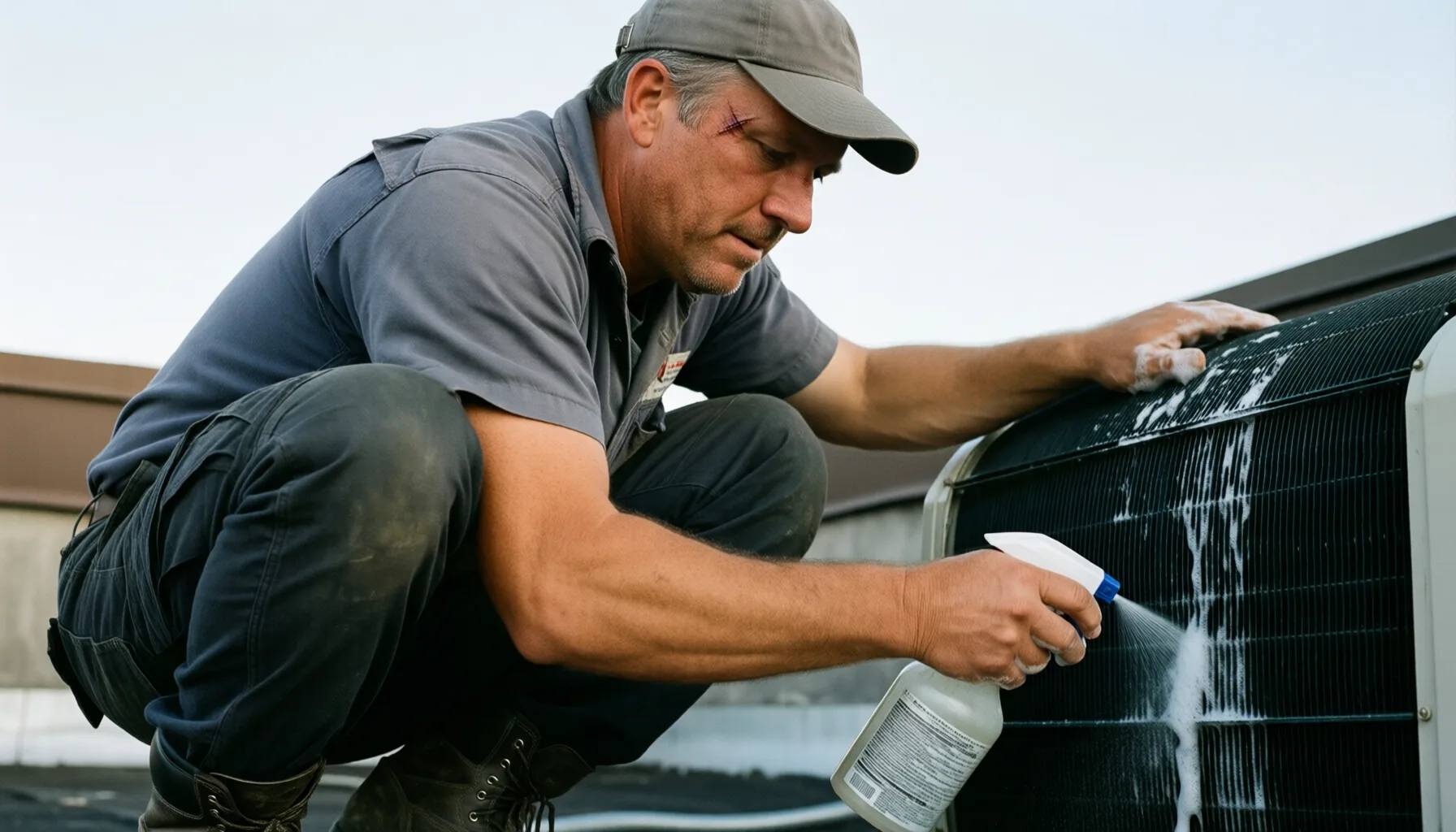
Conducting a seasonal HVAC system check-up not only enhances efficiency but may also reduce energy costs. Typically, a thorough inspection by a professional can range from $75 to $150, depending on the complexity of the system. Schedule this annually to keep your system operating smoothly and to catch small issues before they escalate into major repairs.
2. Smart Thermostat Installation
Consider investing in a smart thermostat, which can help adjust your home’s temperature based on your schedule. Prices for smart thermostats vary, typically between $100 to $300. With proper settings, you might reduce energy usage by up to 10-20%, translating to savings on your monthly bill.
3. Seal Your Home Properly
Check for air leaks around windows and doors to ensure cool air isn't escaping during the summer. Costs associated with weather stripping can be as low as $20 for materials but can lead to significant yearly savings on energy bills. Proper sealing can reduce demand on your HVAC system, promoting energy conservation.
4. Use Fans Wisely
Ceiling and portable fans can significantly lower the perceived temperature when used in conjunction with your AC. Operating fans while the AC is on can allow you to set your thermostat a few degrees higher, ultimately saving money. Fans cost roughly $15 to $50, but the energy savings over time can be considerable.
5. Consider Shade Solutions
Utilizing shades or outdoor awnings can block direct sunlight and help keep your home cooler, which reduces cooling costs. Installing shades can vary based on size and materials, generally costing between $50 to $200. Not only does this reduce energy use, but it also prolongs the life of your HVAC system.
6. Plan Your AC Usage Wisely
Running your AC during off-peak hours can lower energy costs. Some electric companies offer lower rates during late-night hours. By shifting your cooling times, you may save up to 15% on energy charges each month. Properly managing your usage is critical to reducing overhead during the peak summer heat.
Colorado Springs Climate & Local Context
Colorado Springs has a unique climate characterized by rapid temperature changes, where homeowners can experience a stark transition from a chilly morning to an afternoon scorcher. Many of the residential buildings here are constructed on expansive clay soils, which complicate drainage during heavy snowfall, increasing moisture levels that can strain HVAC systems. Understanding local weather patterns is essential for homeowners to formulate a robust HVAC strategy. Additionally, zoning laws may require specific permits for HVAC modifications, making pre-emptive research critical to avoid violations.
Given the local soil conditions, ensuring proper drainage is vital in preventing damage to both the HVAC system and the foundation of the home during the warming months. Advancing to energy-efficient models aligns well with Colorado Springs’ sustainability goals, providing long-term benefits to both homeowners and the environment and ensuring compliance with local regulations.
When to Call a Professional
There are times when it’s best to handle HVAC issues independently, but not all problems can be fixed without professional help. For minor troubleshooting, like adjusting your thermostat or changing filters, a DIY approach can save time and money. However, when it comes to complex installations or repairs, hiring a professional is often the wisest choice.
- Foul odors emanating from the unit
- Unusual sounds like grinding or rattling
- Inconsistent temperature throughout the home
- Water pooling around the HVAC unit
- Frequent cycle on and off
- Older systems more than 10 years old requiring replacement
- Higher than expected energy bills
Waiting too long to address these issues can lead to costly disasters, making timely decisions critical for maintaining HVAC efficiency.
Frequently Asked Questions
What are some signs that my HVAC system needs maintenance?
Common signs include strange noises, inconsistent temperatures, and an increase in energy bills. If you're experiencing any of these symptoms, it might be time to call in a professional from AmberPro Heating and Cooling.
How can I improve my home's energy efficiency during summer?
Using ceiling fans in conjunction with your air conditioning system and sealing drafts around windows and doors can significantly improve energy efficiency and comfort levels in your home.
What is the best temperature setting for my thermostat in summer?
A recommended thermostat setting during summer is around 75°F to 78°F when you're home. This allows for comfort without excessive energy use.
Should I upgrade my HVAC system?
If your HVAC system is over a decade old or showing signs of inefficiency, it may be wise to consider an upgrade. Newer systems are generally more energy-efficient and can save you money in the long run.
Can I perform HVAC maintenance myself?
Basic maintenance tasks like changing filters often can be done by homeowners. However, for complex issues, it's best to consult a professional to prevent further complications.
Get Expert HVAC Service in Colorado Springs
If you have further questions or need assistance with your HVAC system, don’t hesitate to reach out. AmberPro Heating and Cooling is here to help you maintain a comfortable and cost-effective environment in Colorado Springs. Call (719) 508-6821 today!
Taking proactive steps now can lead to significant savings and peace of mind all summer long. Let AmberPro Heating and Cooling guide you through your HVAC needs!